


Hezbollah and the Iran War: Abdel Rahim Ali Questions Risk of Wider Conflict.. Could Hezbollah Enter the U.S.–Iran War?
Saturday 28/February/2026 - 10:19 PM
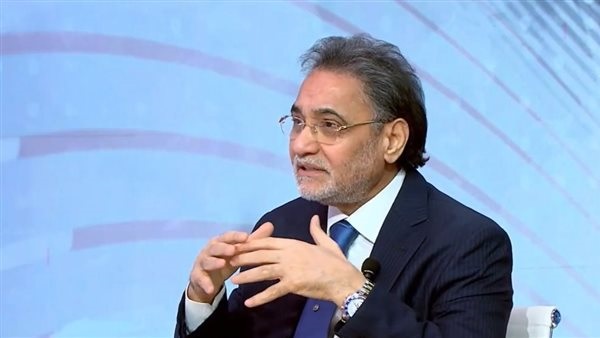
Political thinker and journalist Abdel Rahim Ali, head of the Middle East Studies Center in Paris, raised pressing questions about whether Hezbollah might join the ongoing confrontation following the U.S. strike on Iran.
Speaking to Al-Qahera News Channel, Ali also pointed to Saudi Arabia’s announcement that it would not allow the use of its airspace and supports stability in Iran, noting that despite this position, military strikes still occurred on its territory. He questioned which additional actors might enter the equation, warning that expanding the conflict would harm the entire region.
Ali cautioned that escalation could trigger severe economic consequences, including sharp increases in oil prices. He also highlighted worst-case scenarios such as the closure of the Strait of Hormuz or Houthi intervention to block shipping lanes in the Red Sea—developments that could disrupt global trade and energy supplies.
Europe’s Limited Leverage
Ali observed that Europe has not yet played a significant role in the U.S.–Iran crisis and questioned whether it possesses the leverage to do so. Unlike its involvement in the Ukraine conflict, he suggested, European powers may lack meaningful pressure tools over Washington.
He argued that if Europe cannot exert influence in a crisis of this magnitude, it raises doubts about when it could do so in the future, asserting that the United States appears largely indifferent to European positions on the matter.
Pakistan and China Unlikely to Intervene
Addressing speculation about broader international involvement, Ali dismissed the possibility of Pakistan entering the conflict, describing such expectations as misguided.
He also assessed that China is unlikely to confront the United States directly over Iran. Similarly, Russia’s ongoing war in Ukraine limits its capacity to open new fronts or engage militarily in the Middle East, he said.
Iran Facing a Complex Strategic Position
According to Ali, the current U.S.–Israeli escalation aims not merely at punitive strikes but at weakening—or potentially toppling—the Iranian regime and dismantling its military capabilities and regional proxy network.
Taken together, the absence of decisive support from major global powers places Iran in an increasingly difficult strategic position, he argued, underscoring the exceptional danger of the current phase and the risk of a broader regional war.
