


Abdel Rahim Ali: Iran Nuclear Standoff Defines Future Talks
Sunday 03/May/2026 - 02:13 PM
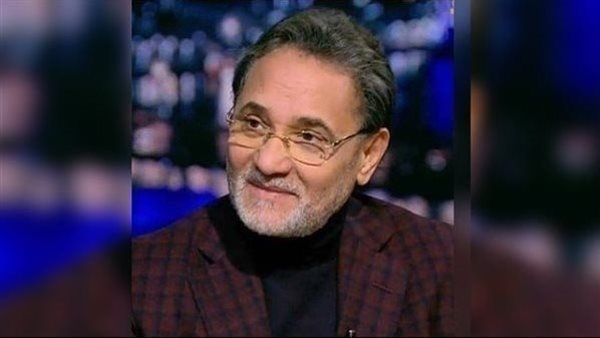
Ahmed Seif El-din
Abdel Rahim Ali said that the Iran nuclear program remains the central issue in ongoing negotiations, warning that Tehran’s refusal to compromise could escalate regional security risks.
Ali explained that Iran has drawn firm red lines regarding its Iran nuclear program, including rejecting the transfer of enriched uranium abroad and insisting on domestic enrichment.
He noted that international actors, including the United States and Russia, have proposed alternative arrangements, such as external enrichment or supervised storage, but Tehran continues to resist these options.
Ali argued that distrust has intensified following Iran’s admission of possessing uranium enriched to 60 percent, a level close to weapons-grade. He said this development has “eroded confidence” and strengthened demands for stricter oversight.
He added that Iran’s refusal to dismantle its ballistic missile program further complicates negotiations, as Gulf states and Israel consider these capabilities a direct threat.
The Iran nuclear program has been a focal point of international diplomacy for years, particularly after the 2015 nuclear agreement and the subsequent US withdrawal in 2018. Since then, enrichment levels and inspection disputes have driven renewed tensions.
Ali suggested that the future of the Iran nuclear program will determine the trajectory of regional stability. He warned that failure to reach an agreement could lead to further military escalation or prolonged sanctions.
The analysis underscores how nuclear policy, geopolitical analysis, and regional security concerns are deeply interconnected in shaping the Middle East’s future.
