Israel Election Results Leave Netanyahu Short of Majority as Coalition Talks Loom
Friday 30/October/2026 - 09:52 AM
Ahmed Seif El-din
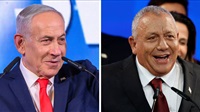
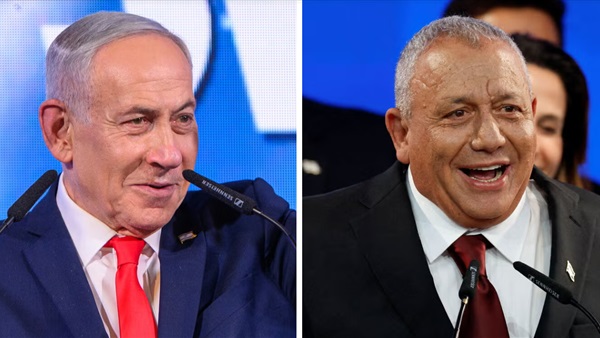
Israel election results have confirmed a divided parliament, with Prime Minister Benjamin Netanyahu's right-wing alliance securing 53 seats, eight short of the 61 required to form a government.
The main opposition bloc, led by former military chief Gadi Eisenkot, won 48 seats, setting the stage for potentially prolonged coalition negotiations and political uncertainty.
According to the final count released by Israel's Central Elections Committee, two Arab parties secured a combined 19 seats, their strongest parliamentary showing to date. The results leave neither major bloc with a governing majority in the 120-seat Knesset.
Netanyahu's Likud Alliance Loses Parliamentary Seats
The latest Israel election results represent a setback for Netanyahu's governing coalition, which held 64 seats following the 2022 election.
Despite losing parliamentary ground, Netanyahu's Likud party and its allies secured more seats than the main opposition bloc, keeping his prospects of remaining prime minister open.
Eisenkot, whose party had led opinion polls for months, campaigned against Netanyahu's leadership, criticizing his government's handling of national security and Israel's international standing.
The election was the first since the Hamas-led October 7, 2023, attack and the subsequent Gaza war. Voter turnout reached its highest level since 1999, reflecting heightened public interest in the country's political direction.
President Herzog to Oversee Government Formation
Israeli President Isaac Herzog is expected to receive the formal election results on November 4 before consulting political party leaders to determine who should receive the first opportunity to establish a governing coalition.
Although Netanyahu's alliance won more seats, the president's decision will depend partly on recommendations from parliamentary factions.
Assaf Shapira, a researcher at the Israel Democracy Institute, suggested that Eisenkot could receive the initial mandate if he secures sufficient support from other parties.
Under Israeli law, the selected candidate generally receives 28 days to negotiate a coalition agreement, with the possibility of a 14-day extension.
If negotiations fail, additional candidates may be given an opportunity to form a government. Continued deadlock could ultimately trigger another election.
Arab Parties Could Play a Decisive Role
The strong performance of Arab political parties has become one of the most consequential developments in the Israel election results.
With 19 parliamentary seats, the two Arab parties could influence coalition negotiations, particularly if Eisenkot seeks support beyond his existing opposition alliance.
However, cooperation remains politically sensitive.
Several Jewish-led parties have historically resisted forming governing coalitions with Arab factions, particularly those that reject certain Zionist political positions.
Eisenkot has previously indicated that the Arab parties do not currently meet his conditions for coalition participation.
Other possibilities include a national unity government involving Netanyahu and Eisenkot or negotiations aimed at attracting lawmakers from rival parliamentary blocs.
October 7 and Gaza War Shape Political Divisions
The election campaign unfolded against continuing disagreements over Netanyahu's leadership following the October 7 attacks and the war in Gaza.
Critics have accused the prime minister of failing to accept responsibility for the security failures preceding the attacks, while Netanyahu emphasized security concerns and warned against increased Arab political influence.
Eisenkot positioned himself as an alternative, arguing that Netanyahu's policies were weakening democratic institutions and damaging Israel's international relationships.
Nevertheless, the opposition failed to secure enough parliamentary seats to guarantee a change in government.
Could Israel Face Another Political Deadlock?
The fragmented Israel election results have revived concerns about the political instability that affected the country between 2019 and 2022, when Israelis voted in five national elections.
According to the Israel Democracy Institute, forming Israeli governments has historically taken approximately 20 to 100 days.
Political analysts suggest that extended negotiations could allow Netanyahu to remain caretaker prime minister while competing factions attempt to establish a parliamentary majority.
President Herzog has urged political leaders to avoid another election, emphasizing the importance of reaching a workable governing arrangement.
For now, the final vote count has settled the distribution of parliamentary seats but not the question of who will govern Israel.
The coming coalition negotiations will determine whether Netanyahu retains power, Eisenkot assembles an alternative government, or the country faces another period of political stalemate.