Trump Vance Iran War Tensions Deepen as Rubio Emerges as Potential 2028 Rival
Thursday 19/November/2026 - 03:59 PM
Ahmed Seif El-din
Trump Vance Iran war tensions are reportedly growing after President Donald Trump expressed frustration with Vice President JD Vance's public criticism of the conflict's political consequences, raising questions about their relationship and the future of the Republican Party ahead of the 2028 presidential election.
According to a report by Tyler Pager published in The New York Times on November 18, 2026, Trump has privately complained that Vance failed to defend his decision to launch military operations against Iran while blaming the war for Republicans' sweeping defeat in the November midterm elections.
The reported disagreement comes as Trump increasingly praises Secretary of State Marco Rubio, another potential Republican presidential contender who has strongly defended the administration's Iran policy.
Trump Frustrated by Vance's Criticism of Iran War
The disagreement emerged after Vance published a lengthy social media assessment of the Republican Party's electoral losses, identifying the Iran war as the principal reason for the defeat.
"The reason we lost is the war," Vance wrote the day after the elections.
Trump initially appeared receptive to that assessment, telling reporters he believed it was largely accurate.
However, people familiar with the president's private conversations told The New York Times that Trump subsequently became increasingly irritated with how Vance framed his criticism.
The president reportedly believed his vice president should have explicitly defended the decision to attack Iran, regardless of its political consequences.
Trump later suggested publicly that Vance should have made an additional statement affirming that military action remained justified.
The White House did not respond to a request for comment, while Vance's office declined to address the reported tensions directly.
Vance Denies Policy Differences With Trump
Despite the reported Trump Vance Iran war tensions, the vice president has publicly rejected suggestions of a significant disagreement within the administration.
During a Fox News interview, Vance insisted there was no meaningful separation between his views and those of the president.
"I think there's no daylight between the president or any other senior member of the administration," he said.
However, his public criticism followed private reservations about the Iran conflict, according to the report.
Vance had endorsed Trump in 2023 partly because of his commitment to avoiding new American wars, making the administration's military intervention a potentially difficult issue for the vice president.
The political consequences became particularly apparent following the November 3 midterm elections, when Democrats achieved their largest midterm victory since the post-Watergate era.
Trump Removes Vance From Iran Peace Negotiations
Following Vance's postelection comments, Trump announced that the vice president would no longer lead efforts to negotiate an agreement with Iran.
Vance had intensified his involvement in diplomatic discussions shortly before the elections.
Trump instead assigned him to focus on investigating allegations of fraud in Democratic-led jurisdictions.
Although the president presented the reassignment as a shift toward domestic priorities, its timing attracted attention amid reports of growing frustration between the two leaders.
On Wednesday, November 18, Vance also canceled a planned appearance at The New York Times DealBook Summit, citing meetings in Washington concerning recent technology outages.
Iran War Complicates Vance's 2028 Presidential Ambitions
The reported disagreement arrives at a sensitive moment for Vance, who has long been viewed as a leading contender for the 2028 Republican presidential nomination.
His position as vice president and his close association with Trump's political movement initially appeared to provide a strong foundation for a potential campaign.
However, the Iran war's declining popularity and the Republican Party's electoral setbacks have complicated that outlook.
Vance has not announced whether he intends to seek the presidency.
"I haven't made a decision," he told Fox News, adding that he expects to consider the question next year.
According to allies cited in the report, Vance remains genuinely undecided.
His family responsibilities, including the birth of his fourth child in July, are among the considerations influencing his decision.
Advisers also describe him as highly attentive to polling and political data, suggesting he could decline to run if he believes the electoral conditions are unfavorable.
Some allies reportedly believe renewed large-scale military operations against Iran could substantially reduce his willingness to enter the race.
Marco Rubio Gains Favor With Trump Over Iran Policy
While Vance faces questions about his relationship with the president, Secretary of State Marco Rubio has received increasingly enthusiastic praise from Trump.
According to people familiar with private discussions, the president has suggested that Rubio could become a strong Republican presidential candidate.
Rubio has consistently defended Trump's decision to attack Iran, describing the military operation as necessary for American national security.
In an interview with The New York Times, Rubio said Trump deserved substantial credit for authorizing the strikes, arguing that political leaders sometimes must make unpopular decisions to protect their country's long-term interests.
His position contrasts with Vance's emphasis on the war's political costs and the administration's commitment to avoiding prolonged military interventions.
Trump Praises Rubio During Asia Visit
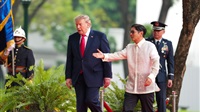
Trump publicly praised Rubio during the ASEAN summit in Manila on November 17, describing his performance as exceptional.
Rubio also played a prominent role in the president's international trip, addressing concerns about widespread technology outages in the United States.
He reassured Americans that authorities had found no evidence linking those disruptions to cyberattacks.
Although Rubio has said he would support Vance and has dismissed speculation about leaving the administration to launch a presidential campaign, some of his allies believe he might reconsider if Trump encouraged him to run.
The president has not endorsed either potential successor.
Republican Party Faces Debate Over Trump's Political Legacy
The Trump Vance Iran war tensions reflect a wider disagreement within the Republican Party about how closely its next presidential nominee should identify with Trump's record.
Vance's position presents a particular challenge because he must balance loyalty to the president with an independent political identity.
Alyssa Farah Griffin, a former Trump White House official, compared his situation with that of former Vice President Kamala Harris during the 2024 presidential election.
Harris struggled to distinguish herself from President Joe Biden's policies, even when some of those decisions had become unpopular.
Democratic strategist Rob Flaherty similarly argued that vice presidents often face limited opportunities to separate themselves from the administrations they serve.
Vance's allies, however, believe a competitive Republican primary could ultimately strengthen the party's eventual nominee rather than weaken it.
They point to Harris's rapid nomination following Biden's withdrawal in 2024 as an example of the potential disadvantages of avoiding a competitive selection process.
Other Republicans Consider Entering the 2028 Race
Vance and Rubio are not the only prominent Republicans being discussed as possible presidential contenders.
Texas Senator Ted Cruz and Florida Governor Ron DeSantis are also considering potential campaigns, according to the report.
Former New Jersey Governor Chris Christie has likewise indicated interest in another presidential bid.
Christie expressed skepticism that anyone closely associated with Trump's second administration could win the general election in 2028.
He argued that such candidates could struggle to convince voters they represented a meaningful departure from Trump's presidency.
That assessment underscores the uncertainty surrounding the party's political direction following its midterm defeat.
Trump's Endorsement Could Prove Decisive
Vance's political career illustrates the importance of Trump's support within the Republican Party.
Once an outspoken Trump critic who questioned his fitness for office in 2016, Vance later became an ally and secured Trump's endorsement during his successful 2022 Ohio Senate campaign.
Many Republicans believe he would again benefit considerably from the president's explicit or implicit backing in 2028.
However, Trump has repeatedly declined to identify a preferred successor and has historically encouraged competition among political allies.
His favorable comments about Rubio have therefore added uncertainty to Vance's prospects.