Jollibee Diplomacy: Philippines Serves Trump Fried Chicken During Manila Visit
Wednesday 18/November/2026 - 03:01 PM
Ahmed Seif El-din
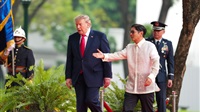
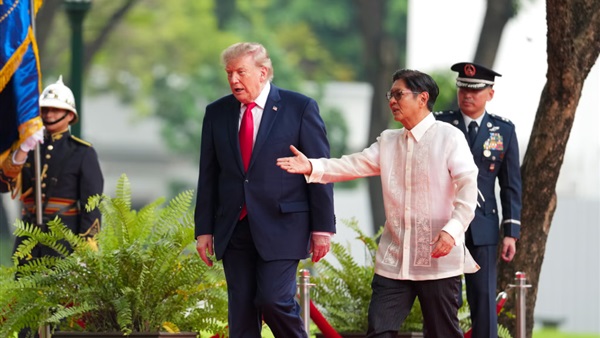
Jollibee diplomacy took center stage during US President Donald Trump's visit to Manila after Philippine President Ferdinand Marcos Jr. arranged a late-night delivery of the country's famous fried chicken for his American guest. The gesture combined Filipino national pride with Trump's well-known preference for fast food, offering an unconventional moment of hospitality during high-level diplomatic discussions.
Marcos Welcomes Trump With a Filipino Fast-Food Favorite
President Marcos revealed Wednesday that he had arranged for Jollibee meals to be delivered to Trump and his delegation during their overnight stay in the Philippine capital.
Marcos explained that Trump's limited schedule had inspired him to offer a convenient introduction to Filipino cuisine.
The food came from Jollibee, the Philippines' most prominent homegrown fast-food brand and a major symbol of the country's culinary identity.
However, it remains unclear whether Trump actually ate the meal.
The Jollibee diplomacy gesture appeared designed to highlight Philippine hospitality while acknowledging the American president's personal dining preferences.
Trump's Fast-Food Preferences Inspire Diplomatic Gesture
Trump has frequently expressed his fondness for American fast-food chains, including McDonald's and Kentucky Fried Chicken.
He has previously explained that he appreciates standardized preparation, cleanliness and consistency, particularly when traveling.
In a 2016 CNN interview, Trump said familiar restaurant chains offered predictable standards compared with establishments whose food preparation methods were unknown to him.
That same year, he shared a photograph of himself eating Kentucky Fried Chicken aboard his private aircraft.
His association with fast food has continued during his political career.
In 2019, Trump served fast-food meals to Clemson University's football team during a White House visit.
More recently, in April 2026, McDonald's meals were delivered to the Oval Office through DoorDash during a White House event promoting the administration's tax policy on tips and overtime.
Marcos's decision to serve Jollibee therefore reflected an awareness of Trump's established preferences.
Jollibee's Popularity Sparks Exchange Between Leaders
During Wednesday's meeting, Marcos told Trump that Jollibee had surpassed KFC in popularity in the United States.
Trump responded positively to the claim, although available market indicators do not establish that Jollibee has overtaken KFC nationwide.
KFC continues to operate considerably more restaurants across the United States than its Filipino competitor.
Nevertheless, Jollibee has gained recognition among American consumers for its fried chicken.
Since 2022, the company has promoted its chicken as among America's best, referencing food critics' evaluations and three consecutive victories in a USA Today readers' poll.
These rankings have helped strengthen the brand's reputation, although popularity in reader surveys differs from nationwide sales or restaurant market share.
Jollibee Dominates Philippine Fast-Food Market
The Jollibee diplomacy moment also highlighted the company's remarkable position within the Philippine food industry.
On its home market, Jollibee surpasses major American competitors in both restaurant numbers and revenue.
Its popularity reflects the company's ability to adapt international fast-food concepts to Filipino culinary preferences.
McDonald's has responded by modifying its Philippine menu, introducing sweeter hamburger sauces, fried chicken served with rice and Filipino-style sweet spaghetti.
The competition illustrates how local tastes can influence the strategies of multinational restaurant chains.
For many Filipinos, Jollibee represents more than a fast-food business. It is a recognizable national brand with strong cultural significance.
Global Expansion Strengthens Jollibee's International Presence
Beyond the Philippines, Jollibee has pursued international growth through restaurant openings and acquisitions.
The company has expanded its food business across markets including the United States, China and South Korea.
Its international portfolio includes Colorado-based burger chain Smashburger and Hong Kong dim sum restaurant brand Tim Ho Wan.
These acquisitions have helped diversify Jollibee's operations beyond its original Filipino-style fast-food offerings.
Despite its expanding American presence, Jollibee has not opened a restaurant in Washington, D.C.
However, the chain operates locations in New York, Trump's home state, and Florida, where he frequently spends time.
Jollibee Considers Hong Kong Listing for International Business
The high-profile Jollibee diplomacy gesture coincides with an important period in the company's international business strategy.
Jollibee is exploring a Hong Kong Stock Exchange listing for its international operations after initially considering a US listing.
In September, founder and chairman Tony Tan Caktiong explained that the change reflected stronger familiarity with the Jollibee brand among Asian investors.
The potential listing could provide another platform for the company's international expansion, although the final structure and timing have not been confirmed in the source report.
Marcos's public endorsement offered additional visibility for the Filipino brand during a visit involving one of the world's most prominent political figures.
Food Diplomacy Highlights Philippine Cultural Identity
The Jollibee diplomacy episode demonstrated how a familiar national food brand can become part of international political hospitality.
By serving Trump a well-known Filipino fast-food meal, Marcos combined cultural promotion with a personalized diplomatic gesture.
Although the delivery's practical impact on the leaders' discussions is unknown, it brought international attention to Jollibee's growing global presence and the Philippines' distinctive food culture.
The incident also illustrated how informal moments can accompany formal diplomatic engagements, creating opportunities for countries to showcase national brands beyond traditional political and economic discussions.