Trump Administration Plans to Return Over 150 Migrants Despite Taliban Persecution Risks
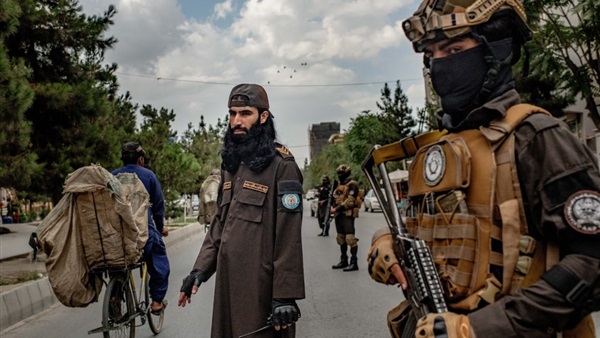
Afghan deportations are set to expand under the Trump administration, with more than 150 Afghan immigrants reportedly facing removal from the United States through Pakistan, despite concerns that some could face persecution under Taliban rule. The planned operation, expected to begin as early as November 2, 2026, includes individuals with ties to former U.S. military operations and others who fear punishment because of their personal circumstances.
U.S. Prepares Large-Scale Deportation Operation
According to three U.S. officials cited by The New York Times, dozens of Afghan immigrants have been transferred to detention facilities in Louisiana ahead of a planned removal operation.
One official said more than 150 people could be deported, potentially making it one of the largest single expulsions of Afghans from the United States.
The administration reportedly intends to transport detainees to Pakistan, where Pakistani authorities would oversee their return across the border into Afghanistan.
The arrangement addresses a diplomatic obstacle: Washington does not maintain formal diplomatic relations with the Taliban government, complicating direct deportations.
However, immigration lawyers have raised concerns that the indirect route could expose vulnerable individuals to persecution and potentially conflict with existing legal protections.
Deportees Include Individuals Fearing Taliban Persecution
The planned Afghan deportations include people who entered the United States both legally and illegally, some with criminal records and others with family connections to American military operations.
Among them is Mohammad, a 47-year-old Afghan immigrant who has lived in the United States for more than four decades.
His family fled Afghanistan in 1981 following the Soviet invasion, when he was two years old.
Mohammad, who asked to be identified only by his middle name, said he fears execution or imprisonment because he is gay. Same-sex sexual activity is punishable by death under Taliban rule.
He married an American man in 2020 and said he fears losing the freedom to live openly if returned to Afghanistan.
Mohammad was convicted of two felonies in 2003, involving robbery and threats against a school. He served approximately three years in prison and subsequently lost his permanent residency.
After rebuilding his life and regularly reporting to immigration authorities, he was detained last year and later transferred from Oklahoma to Louisiana.
Former U.S. Military Allies Also Face Removal
Another Afghan detainee reportedly faces danger because of his wife's association with Afghanistan's former government.
According to court filings shared by his attorney, the man was arrested and tortured by the Taliban in 2023 because his wife had served in the Afghan Army and women's police force, assisting U.S. military operations.
He entered the United States without authorization in 2024, was detained by Border Patrol, and has remained in Immigration and Customs Enforcement custody.
A U.S. immigration judge denied his asylum application.
His case illustrates the potential consequences of Afghan deportations for people connected to institutions targeted by the Taliban after its return to power in August 2021.
Lawyers Challenge Deportations on Human Rights Grounds
U.S. law restricts deportations to countries where individuals have been legally determined likely to face persecution.
However, it remains unclear whether any of the Afghans scheduled for removal in November hold court-issued protections preventing their return.
Immigration attorneys are pursuing legal challenges, including emergency requests to halt individual deportations.
Mohammad's lawyer, Melissa Medrano Henry, said federal authorities informed her that travel documents had been obtained from Afghan officials, but she had not received the documents or an explanation of how they were secured.
She has filed emergency motions seeking to prevent his removal, with a judicial decision still pending at the time of reporting.
The Department of Homeland Security declined to discuss prospective deportation operations, including flight schedules, passenger lists, destinations, or individual cases.
Court documents indicate that at least one detainee was placed on a special charter flight scheduled to depart Alexandria, Louisiana, during the first week of November.
Pakistan's Mass Expulsions Intensify Concerns
The planned Afghan deportations come as Pakistan continues its own large-scale campaign to remove Afghan nationals.
Since 2023, Pakistani authorities have expelled or pressured more than 2.7 million Afghans to return to Afghanistan, citing national security concerns.
Approximately 1.5 million Afghan citizens remain in Pakistan, where authorities have pledged further expulsions regardless of immigration status.
Pakistan has accused the Taliban government of harboring militant organizations responsible for attacks inside Pakistani territory.
The deportation campaign has also affected Afghan medical professionals, including doctors whose visas have been revoked or not renewed.
Zainullah Niazmand, an Afghan cardiac surgeon working in Lahore, said his revoked visa has placed him, his wife, and their three-year-old daughter at risk of removal.
He believes Pakistan is increasingly targeting skilled Afghan professionals as part of its pressure campaign against the Taliban government.
Pakistani officials and Taliban representatives did not respond to requests for comment cited in the original reporting.
Deportation Plan Marks Expansion of U.S. Immigration Enforcement
Previous U.S. administrations deported relatively small numbers of Afghans, often through intermediary countries and frequently involving individuals accused or convicted of serious crimes.
Data from the Deportation Data Project, an initiative involving researchers at the University of California, Berkeley, and UCLA, indicates that approximately 97 Afghans were returned over the previous four years.
The proposed removal of more than 150 people would therefore represent a substantial expansion in the scale of Afghan deportations.
The Trump administration has also tightened immigration pathways for Afghans who supported American military operations, transferred some migrants to African countries, and encouraged others stranded at a former U.S. military facility in Qatar to return voluntarily.
The latest operation raises questions about how immigration enforcement will account for individual protection claims and the risks faced by returnees.
Uncertain Future for Afghans Facing Return
For detainees awaiting removal, the prospect of returning to Taliban-controlled Afghanistan has created considerable anxiety.
Mohammad said he has begun growing his beard and relearning Islamic prayers in preparation for a country he has not known since early childhood.
His case highlights the tension between immigration enforcement, past criminal convictions, and the potential dangers individuals may face after deportation.
The planned Afghan deportations present a significant legal and humanitarian test for U.S. immigration policy, particularly where removal could expose individuals to persecution because of their identity, political associations, or family connections.
As the anticipated November flights approach, the outcome of emergency court challenges and the government's handling of individual protection claims will be central to determining who can legally be removed.