Iran Reportedly Used Starlink in Deadly Attack on US Soldiers in Kuwait
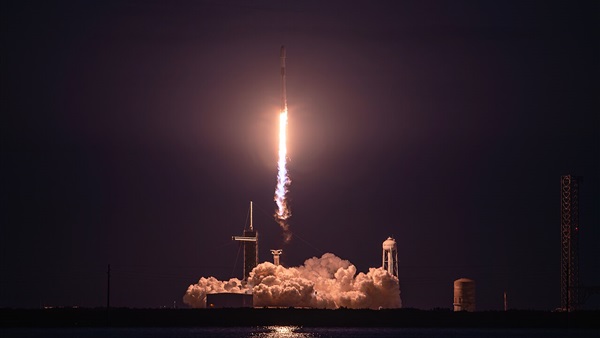
Iran reportedly used Elon Musk’s Starlink satellite internet service in a deadly attack on American forces in Kuwait during the early stages of the US-Iran war, raising serious questions about the security and military applications of commercial satellite communications.
Six American soldiers were killed when an Iranian drone struck a temporary tactical command centre in Port Shuaiba, Kuwait, on March 1, 2026, a day after the United States and Israel launched their military campaign against Tehran.
According to The Washington Post, Elon Musk reacted angrily after learning of Iran’s alleged unauthorised use of the satellite network and reportedly dismissed two SpaceX executives that week, citing people familiar with internal company discussions.
SpaceX Tightens Starlink Restrictions Following Kuwait Attack
In response to the incident, SpaceX reportedly introduced additional identity verification requirements and restrictions governing aerial use of its satellite communications service.
The measures were followed by tighter controls on the resale of satellite terminals, including higher monthly fees and additional information requirements for purchasers.
The restrictions were intended to prevent American adversaries from obtaining and exploiting the technology for unauthorised military purposes.
At the time of the attack, US Defence Secretary Pete Hegseth confirmed that a fortified tactical operations centre had been struck.
According to a classified intelligence assessment reportedly provided to Hegseth, Iranian forces had been exploiting commercial satellite connectivity for military operations as Washington sought to disrupt Tehran’s conventional communications infrastructure.
The findings have intensified concerns about the challenges facing private technology companies whose products are increasingly being used in international conflicts.
Elon Musk and Pentagon Clash Over Starshield Services
The reported Iranian use of Starlink was not the only controversy involving Musk’s satellite communications technology and the US military.
The billionaire was also reportedly frustrated by the Pentagon’s use of Starshield, the military-oriented version of Starlink, under a subscription intended exclusively for land-based operations.
According to previous reporting by The Telegraph, the Pentagon had purchased a service plan costing one-fifth of the price of the corresponding aerial package.
US defence officials reportedly subsequently agreed to pay the higher rate.
The dispute illustrates the growing dependence of modern armed forces on privately operated satellite networks, alongside the commercial and regulatory challenges surrounding their military applications.
Starlink Faces Similar Security Challenges in Ukraine
The controversy surrounding Iran follows earlier concerns about Russian forces allegedly exploiting Starlink during the Russia-Ukraine war.
The satellite network has become an essential component of Ukraine’s frontline communications infrastructure, supporting military coordination and maintaining connectivity in areas affected by the conflict.
Less than two months before the Kuwait attack, Musk reportedly introduced additional restrictions in Ukraine at Kyiv’s request after Ukrainian officials identified evidence of unauthorised Russian military use.
SpaceX subsequently worked with Ukrainian authorities to establish a system for verifying authorised terminals and restricting access by unapproved accounts.
However, Musk faced further criticism in October after The Telegraph reported that he had personally approached US President Donald Trump with proposals to impose additional restrictions on Starlink and Starshield services in Ukraine.
A subsequent week-long service disruption reportedly affected Ukrainian military operations and prompted Russian President Vladimir Putin to praise Musk as a “real genius”.
Iran Presents a Complex Humanitarian and Security Dilemma
Unlike Ukraine, Iran reportedly lacks a comparable system for verifying authorised satellite terminals, making it considerably more difficult for SpaceX to distinguish legitimate civilian users from unauthorised military operators.
In January 2026, Starlink made its connectivity services available free of charge to terminal users in Iran as the government violently suppressed widespread protests triggered by a worsening currency crisis.
The service has provided Iranian citizens, activists and dissidents with an alternative means of accessing information and communicating despite government-imposed internet restrictions.
Consequently, SpaceX faces a difficult decision over whether to restrict connectivity in Iran without depriving civilians of an important communications lifeline.
Analysts cited by The Washington Post warned that maintaining unrestricted access could create opportunities for the Islamic Revolutionary Guard Corps (IRGC) to exploit the technology for military purposes.
Conversely, widespread service restrictions could undermine internet freedom and further isolate Iranian citizens facing government censorship.
Commercial Satellite Technology Raises Global Security Concerns
The reported involvement of Starlink in the Kuwait incident highlights the increasingly complex relationship between commercial satellite technology, national security and civilian communications.
As governments and armed forces become more dependent on privately operated communications networks, technology companies face mounting pressure to prevent unauthorised military exploitation while preserving legitimate civilian access.
The controversy also raises broader questions about corporate accountability, military oversight and the regulation of dual-use technologies in conflict zones.
Neither Elon Musk nor SpaceX responded to requests for comment from The Washington Post, while the Pentagon declined to comment.
The alleged Iranian use of the satellite network remains a reported intelligence finding rather than a publicly confirmed conclusion from SpaceX or US defence authorities.