Ukraine Peace Talks: Europe Selects Six-Member Team for Russia Negotiations
Saturday 14/November/2026 - 02:31 PM
Ahmed Seif El-din
Ukraine peace talks are set to enter a new phase after European leaders agreed to appoint a six-member negotiating team to represent the continent in discussions with Russia, seeking a direct role in decisions that could reshape European security for decades.
The agreement, reached Friday during meetings in Dublin, follows months of European efforts to secure representation in US-led negotiations aimed at ending Russia's war in Ukraine.
Europe Names Six-Member Team for Ukraine Peace Talks
European Union leaders agreed that Britain, France, Germany, Poland and Italy would each participate in the negotiations, alongside a representative of the EU's leadership institutions, the European Council and European Commission.
The decision reflects Europe's determination to balance the interests of its largest powers with those of smaller member states and countries facing direct security threats from Russia.
European Commission President Ursula von der Leyen defended the arrangement, emphasizing that European governments have the right to determine their own representation.
European Council President António Costa also stressed the importance of collective diplomacy, noting that the United States itself has two negotiators.
However, the six-member structure could complicate decision-making if national priorities diverge during sensitive negotiations.
US Envoys Push for European Participation
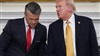
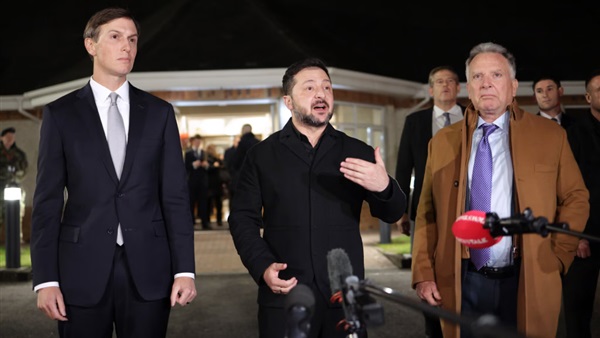
The breakthrough in Ukraine peace talks followed diplomatic efforts by President Donald Trump's envoys, Jared Kushner and Steve Witkoff.
During recent negotiations in the United Arab Emirates, Russian officials insisted that any agreement ending the war must also address Europe's future security arrangements.
Moscow has repeatedly sought restrictions on NATO military activities near Russian territory, proposals European governments have strongly opposed.
Kushner and Witkoff subsequently raised the question of European participation directly with Russian President Vladimir Putin.
Speaking Thursday after meetings in Moscow, Kushner said Putin appeared willing to consider including European negotiators.
Earlier in the week, Kushner had questioned whether Europe could identify a single representative, highlighting longstanding concerns about the continent's fragmented diplomatic approach.
European Security Becomes Central to Russia Negotiations
European leaders argue that Ukraine peace talks cannot determine the continent's future security arrangements without their direct participation.
Luxembourg Prime Minister Luc Frieden emphasized that decisions affecting European security must involve European governments.
Polish Prime Minister Donald Tusk similarly rejected the possibility of new regional security rules being established without Poland or other European countries having a voice.
The concerns are particularly significant for Eastern European nations bordering Russia, which fear that concessions to Moscow could weaken NATO's defensive posture.
European officials maintain that decisions about the continent's military alliances and security commitments must remain under European control.
Zelensky Urges Europe to Defend Its Interests
Ukrainian President Volodymyr Zelensky has repeatedly encouraged European leaders to establish a negotiating structure quickly.
Addressing officials gathered in Dublin on Thursday, Zelensky warned that Europe must pay close attention to the potential consequences of any settlement.
The negotiations are unfolding amid continued military tensions.
Ukraine's domestic intelligence agency, the SBU, said Friday that Ukrainian forces had attacked a Russian warship earlier in the week. Analysts located the vessel in the Gulf of Finland, a strategically important area of northern Europe.
The reported attack underscores the continuing security risks surrounding diplomatic efforts to end the conflict.
EU Sanctions and Ukraine Membership Strengthen Europe's Role
Europe's participation in Ukraine peace talks carries significant practical importance because the European Union controls extensive economic sanctions against Russia.
Moscow has sought relief from those restrictions, making EU involvement essential to any comprehensive settlement.
Ukraine's potential EU membership is another major issue, with Kyiv viewing accession as an important long-term security guarantee.
Costa has argued that these responsibilities justify direct European representation in negotiations.
Previous attempts to establish independent EU diplomatic contacts with Moscow faced opposition from some member states, including France and Germany.
The latest agreement suggests a greater willingness to coordinate European positions as negotiations become more consequential.
European Leaders Remain Cautious About US Strategy
Despite progress toward joining Ukraine peace talks, European officials remain concerned about Washington's approach to Russia.
German Chancellor Friedrich Merz warned Friday against another "Anchorage moment," referring to an earlier Trump-Putin summit that unsettled Ukraine and European allies because of Trump's sympathetic posture toward Moscow.
European governments are seeking assurances that any settlement will uphold territorial integrity, internationally recognized borders and international law.
Frieden warned that abandoning those principles could increase the risk of further Russian aggression against European countries.
Ukraine Peace Talks Face Major Diplomatic Challenges
The six-member negotiating team gives Europe an opportunity to influence decisions affecting its security, sanctions policy and Ukraine's political future.
However, its effectiveness will depend on whether the participating governments can maintain a coordinated position while negotiating alongside Washington, Kyiv and Moscow.
With Russia pressing for changes to Europe's security framework, European leaders face the challenge of supporting a negotiated end to the war without accepting arrangements they believe could threaten regional stability.
The outcome of Ukraine peace talks may therefore shape not only Ukraine's future but also the balance of security across Europe for years to come.