Gadi Eisenkot Secures Coalition Deal With Democrats in Bid to Unseat Netanyahu
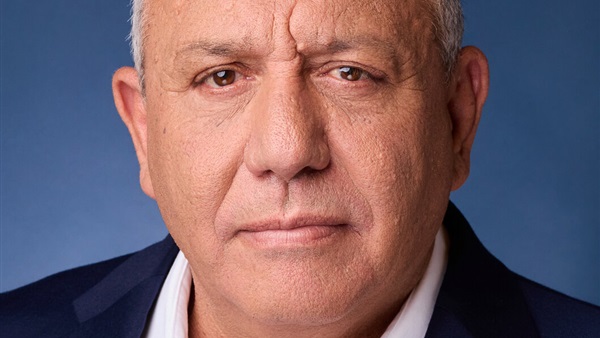
The agreement brings Eisenkot and his presumed allies to 48 parliamentary seats, leaving them 13 short of the majority required to form a new Israeli government.
Gadi Eisenkot has secured a coalition agreement with Israel’s left-wing Democrats party, marking a significant step in his efforts to assemble a parliamentary majority and end Prime Minister Benjamin Netanyahu’s long tenure in power. The agreement, announced Thursday, November 26, comes as negotiations intensify ahead of the deadline to form a new government following October’s elections.
Eisenkot’s Yashar party reached the agreement with the Democrats, led by former deputy military chief Yair Golan, amid continuing disagreements within the opposition bloc over the composition of Israel’s next governing coalition.
Gadi Eisenkot Reaches Agreement With Left-Wing Democrats
Under the coalition agreement, the Democrats said they would receive four ministerial portfolios: an expanded internal security ministry overseeing the police, labor and welfare, communications, and culture and sports.
The announcement followed Golan’s decision on Tuesday to suspend negotiations with Yashar in protest against its simultaneous discussions with Netanyahu’s Likud party.
The Democrats described the agreement as a step toward ending Netanyahu’s government and protecting Israeli democracy. The party also said the deal included commitments to reverse the controversial judicial overhaul and preserve the independence of the judiciary.
National Security Minister Itamar Ben Gvir strongly criticized the proposed appointment of Golan to the ministry he currently leads. He also urged ultra-Orthodox political parties not to participate in a left-wing government.
The agreement represents Eisenkot’s second coalition deal as the former military chief seeks to consolidate parliamentary support before his government formation deadline.
Coalition Negotiations Continue as Majority Remains Elusive
Gadi Eisenkot and his presumed political partners now hold 48 of the Knesset’s 120 seats, including the Democrats’ eight seats. However, the alliance remains 13 seats short of the 61 required for a parliamentary majority.
To overcome this shortfall, Eisenkot must secure cooperation from parties outside his traditional political bloc, potentially including ultra-Orthodox or Arab parties. Forming a minority government remains another possibility.
Israeli media have reported that Eisenkot is negotiating with United Torah Judaism, an ultra-Orthodox party likely to demand concessions concerning military conscription.
Another potential option involves securing the participation of Arab political parties or obtaining their parliamentary support without formally including them in the government.
Joint List chairman Yousef Jabareen said Thursday on X that a majority wanted to remove Netanyahu, Ben Gvir and Bezalel Smotrich from office as soon as possible.
Avigdor Liberman Opposes Reliance on Arab Parties
Earlier this week, Eisenkot’s Yashar party announced a separate coalition agreement with Avigdor Liberman’s Yisrael Beiteinu party, although the terms were not officially disclosed.
According to Israeli media reports, Liberman is expected to become defense minister, while his party would also receive the justice and immigration ministries.
Liberman, a hawkish former defense minister whose party secured seven parliamentary seats, has advocated forming a government with the participation of some ultra-Orthodox parties.
He argued that a coalition dependent on Arab parties would struggle to survive amid security tensions in the West Bank and Gaza Strip.
“The change government is taking shape. Netanyahu will try to torpedo its formation at any cost,” Liberman wrote on X on Thursday.
He also opposed any arrangement involving a rotating premiership with Netanyahu, arguing that the incumbent prime minister favored another election.
Netanyahu remains on trial on charges of bribery, fraud and breach of trust, all of which he denies.
Naftali Bennett Advocates National Unity Government
Former Israeli Prime Minister Naftali Bennett, leader of the Together party and a member of Eisenkot’s political bloc, has taken a different position on the coalition negotiations.
Bennett favors establishing a national unity government that includes Netanyahu’s political camp but is initially led by Eisenkot.
His party said Thursday that such an arrangement represented the best alternative for Israel and could facilitate an expansion of military conscription among ultra-Orthodox men.
Bennett considers reliance on Arab political parties, which secured an unprecedented 19 parliamentary seats in October’s elections, a less desirable alternative.
Israeli media have reported that Bennett was conducting secret negotiations with Netanyahu, an allegation he denied.
His party reaffirmed that it would not join Netanyahu’s bloc and warned against allowing the incumbent prime minister to use coalition negotiations to exhaust Eisenkot’s remaining time.
These competing positions highlight the political and ideological divisions that could complicate efforts to establish a stable parliamentary majority.
Eisenkot Faces December Deadline to Form Government
Israeli President Isaac Herzog granted Gadi Eisenkot a mandate to form a government on November 8 following October’s parliamentary elections.
Under the initial mandate, Eisenkot has 28 days to assemble a governing coalition, with the possibility of receiving an additional 14-day extension. According to the original report, the extended deadline would fall on December 20.
Some political analysts expect Eisenkot to present his proposed government before the initial negotiation period expires.
Meanwhile, Netanyahu has continued to advocate a unity government, citing what he describes as significant and immediate threats facing Israel.
“We must unite to ensure Israel’s future,” Netanyahu told the Knesset on Wednesday.
Despite securing agreements with the Democrats and Yisrael Beiteinu, Eisenkot still faces considerable challenges in reconciling competing political demands, resolving disagreements over military conscription and determining whether Arab parties will play a role in the next government.
The outcome of the ongoing coalition negotiations will determine whether Eisenkot can secure the parliamentary support necessary to replace Netanyahu or whether alternative governing arrangements will be required.