Iran’s Economic Crisis Deepens as Austerity Measures Fuel Public Discontent
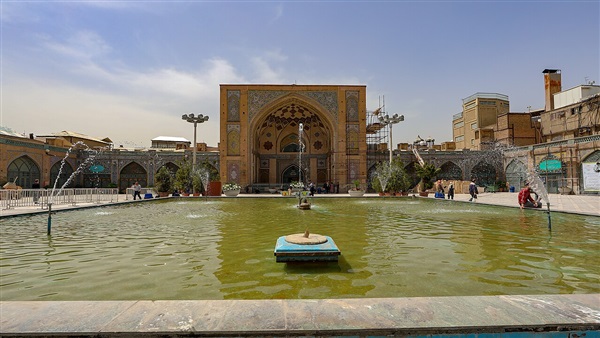
Tehran is reducing bread and gasoline subsidies and rationing electricity as mounting U.S. economic pressure and nearly nine months of war intensify financial hardship across the country.
Iran’s economic crisis is deepening as the government imposes increasingly unpopular austerity measures, including electricity rationing and reductions in bread and gasoline subsidies. The policies have intensified public frustration amid rising inflation, declining purchasing power and growing uncertainty ahead of winter, following nearly nine months of war with the United States.
The measures represent a particularly challenging development for Iranian authorities as U.S. President Donald Trump’s administration intensifies economic pressure aimed at securing concessions from Tehran. They also come less than a year after Iranian authorities launched a deadly crackdown on anti-government protesters.
Iran Introduces Electricity Rationing and Reduces Subsidies
Iranian President Masoud Pezeshkian warned in a televised message on Sunday that the country would face “difficulties this winter,” announcing daily electricity cuts of up to two hours that could be extended as temperatures fall.
The announcement follows months of austerity policies, including restrictions on government assistance programs, reductions in subsidies and the abandonment of planned wage increases.
In November, authorities introduced new restrictions on subsidized bread purchases in at least three provinces. In October, millions of beneficiaries were removed from a nationwide food voucher program launched in January following protests over rising living costs.
Having endured double-digit inflation before and throughout the war, many Iranians say the latest measures are further undermining household financial stability and increasing anxiety about the coming months.
A 40-year-old language teacher in Tehran told The Washington Post that her family had struggled financially since her husband lost his job near the beginning of the war. Rising prices have steadily eroded the purchasing power of her remaining salary.
While she initially devoted considerable energy to stockpiling essential supplies and preparing for emergencies, she said prolonged hardship had left her increasingly exhausted and indifferent.
Like other Iranian citizens interviewed by the newspaper, she requested anonymity out of fear of government reprisals.
U.S. Economic Pressure Threatens Further Contraction
Iranian economist Hadi Kahalzadeh, a research fellow at Brandeis University specializing in labor markets, said Iran is experiencing greater economic strain than at any other point in recent decades.
According to Kahalzadeh, the combined impact of the U.S. blockade on Iranian ports and extensive wartime infrastructure damage could cause the country's economy to contract by between 4 and 6 percent in 2026.
The Trump administration has intensified economic pressure in an effort to secure Iranian concessions in negotiations over ending the war and restricting Tehran’s nuclear program.
Following the collapse of a provisional truce between Washington and Tehran in July, the United States reinstated its blockade on Iranian oil exports. The restrictions have reportedly deprived Iran of between $3 billion and $4 billion in monthly revenue.
Nevertheless, Kahalzadeh cautioned that the blockade alone was unlikely to trigger a complete economic collapse.
With a population exceeding 90 million, Iran continues to collect domestic tax revenue and maintain overland exports to several of its seven neighboring countries.
“Despite all of the damage from the war, blockade and sanctions, Iran still has some leverage, some capacity to survive,” he said, warning that such survival would come at a considerable cost.
He also warned that persistent inflation and unemployment could inflict lasting damage on Iran’s workforce, as prolonged periods without employment gradually erode workers’ professional skills.
Fuel Subsidy Cuts Intensify Public Frustration
Among the latest austerity measures, reductions in gasoline subsidies have had the most significant negative impact on daily life, according to Iranian citizens interviewed by The Washington Post.
Fuel subsidies remain a politically sensitive issue in Iran. Their removal helped trigger nationwide protests in 2019 and contributed to renewed unrest in December 2025.
However, following the deadly government crackdown in January, which killed thousands of people, many citizens remain fearful of organizing further demonstrations despite worsening economic conditions.
A 26-year-old musician from Tehran who participated in protests in December and January said he believed public dissatisfaction was now greater than during the earlier demonstrations.
“People are scared, but the conditions are unbearable,” he said, expressing his belief that further economic deterioration could eventually prompt renewed mobilization.
The growing frustration illustrates how Iran’s economic crisis is affecting not only household finances but also relations between citizens and the government.
Iranian Lawmakers and Labor Activists Criticize Austerity
Criticism of the government's economic policies has increasingly emerged in domestic media and political institutions.
Reformist lawmaker Ahmad Bigdeli criticized the government's failure to address inadequate wages during a webinar this month, highlighting deteriorating living conditions among teachers, farmers, military personnel and law enforcement officers.
“Workers cannot breathe today,” he said, according to the state-affiliated Nour News outlet.
Labor activist Somayeh Golpour also criticized the government's announcement that it would be unable to increase some salaries. Writing for the state-affiliated Mehr News agency, she described the decision as evidence of “structural injustice” and a betrayal of “public trust.”
Meanwhile, Shamseddin Hosseini, chairman of the Iranian Parliament’s Economic Commission, warned of potential fuel and heating shortages during winter because of wartime damage to the country's energy infrastructure.
Describing the anticipated shortages as an “energy imbalance,” Hosseini cautioned against measures that could force industrial facilities to close and leave more workers unemployed.
Iranian Businesses Struggle Amid Rising Living Costs
The consequences of Iran’s economic crisis are also becoming increasingly apparent among small business owners struggling with higher operating expenses and declining profits.
A 25-year-old entrepreneur in Tehran who uses her car to distribute eggs from retailers to supermarkets and butcher shops said reductions in fuel subsidies had cut her profits by approximately one-third.
Despite rapidly rising prices, she expressed surprise that businesses continued operating and consumers were still making purchases.
“I don’t know how, but we are still functioning,” she said.
She described her current circumstances using a Persian expression, “between earth and sky,” reflecting a sense of uncertainty and being trapped between situations without a clear direction.
Nevertheless, she emphasized what she regarded as the Iranian people's remarkable capacity to endure prolonged hardship.
As winter approaches, Iran faces mounting challenges from energy shortages, inflation, declining oil revenues and reduced government assistance. While parts of its economy continue to demonstrate resilience, the growing financial burden on ordinary citizens remains a central concern.