Britain’s Strategic Reserves: Military Unable to Locate Half of Its Eligible Veterans
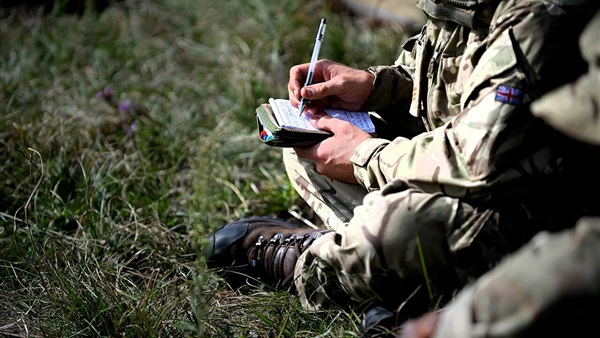
The Ministry of Defence lacks up-to-date contact details for tens of thousands of former military personnel as Britain strengthens its mobilisation capabilities and preparations for potential conflict.
Britain’s strategic reserves face a significant administrative challenge after it emerged that the Ministry of Defence (MoD) cannot locate approximately half of the 100,000 military veterans who could be recalled to service during a national emergency or armed conflict.
For the first time since the Cold War, Britain’s strategic reservists are being asked to prepare for the possibility of mobilisation. However, according to The Telegraph, military authorities can send notification letters to only around half of those eligible because their addresses are missing from official records.
Military chiefs representing the Army, Royal Navy and Royal Air Force are contacting former service personnel to request updated personal information, employment details and professional qualifications.
The initiative is intended to establish a clearer picture of the personnel and expertise available should Britain require additional military capabilities.
Strategic Reserves Face Significant Administrative Shortcomings
Tens of thousands of eligible veterans are expected to miss official correspondence because of administrative failures in maintaining military personnel records.
Letters published on the government’s website on Thursday, November 26, under a newly established strategic reserves section, emphasised that the threshold for recalling former military personnel remains high.
The correspondence clarified that strategic reservists would not be mobilised to address routine staffing shortages during peacetime. Instead, their deployment could be considered during serious national emergencies, military operations, preparations for war or major crises requiring additional defence capabilities.
Britain’s strategic reserves consist of former military personnel who retain a legal obligation to return to service under exceptional circumstances.
They are distinct from the approximately 32,000 volunteer reservists who combine civilian employment with regular military commitments.
According to the Ministry of Defence, around 5% of British veterans are covered by strategic reserve arrangements.
Senior Defence Officials Warn of Inadequate Veteran Records
Lord Robertson of Port Ellen, a government adviser who led the 2025 Strategic Defence Review, previously warned that military authorities were failing to maintain comprehensive records of recently retired personnel entering the Strategic Reserve.
The former NATO secretary-general and defence secretary under Tony Blair expressed concern about the government's inability to identify and contact eligible veterans.
“The Ministry of Defence at the present moment doesn’t even know where most of them are,” Lord Robertson said earlier this year.
He stressed the importance of identifying former personnel who remain available, medically fit and willing to return to military service.
Air Chief Marshal Sir Richard Knighton, head of the British Armed Forces, has also warned that Britain lacks an effective system for tracking and maintaining engagement with individuals who have recently left military service.
Under existing legislation, former regular and reserve military officers retain a lifelong liability to recall.
The Ministry of Defence is also required to maintain contact with former military personnel during the first six years after they leave full-time service.
The missing contact information raises questions about the effectiveness of existing administrative procedures and Britain's ability to mobilise its strategic reserves during a major emergency.
Veterans With AI and Cybersecurity Skills Could Be Prioritised
Britain’s military mobilisation plans increasingly reflect the changing technological demands of modern warfare.
According to The Telegraph, veterans working in artificial intelligence, software development and cybersecurity could be among the first personnel considered for recall during a future conflict.
Expertise in programming, machine learning and cybersecurity is becoming increasingly valuable as hybrid warfare incorporates advanced digital technologies alongside conventional military capabilities.
An Army source explained that former military personnel who have subsequently become data scientists could contribute valuable machine-learning expertise to support rapid decision-making in deployed military headquarters.
Similarly, veterans employed by technology start-ups may possess experience in accelerating procurement processes, helping the military acquire and develop essential equipment more efficiently.
Specialists in communications systems and satellite technology are also expected to be highly desirable.
However, the government continues to seek veterans with traditional professional qualifications, particularly doctors and engineers.
Former service personnel who have acquired medical qualifications after leaving the Armed Forces could offer a valuable combination of military experience and specialist healthcare expertise.
British Armed Forces Strengthen Military Readiness
General Sir Roly Walker, Chief of the General Staff, told Army strategic reservists that the initiative comes as Britain’s defence and security forces are increasing their readiness levels.
In his correspondence, Walker emphasised that the quality of military personnel remains a defining strength of the British Army.
He explained that identifying the professional expertise available within the Strategic Reserve would help military leaders understand what capabilities they could draw upon in the years ahead.
The initiative comes amid persistent recruitment and retention challenges across the British Armed Forces.
The Army has experienced the most substantial decline, shrinking from more than 100,000 personnel in 2010 to just over 70,000 today.
These challenges have increased the importance of maintaining accurate information about former service personnel who could provide additional military capabilities during exceptional circumstances.
Government Plans to Raise Military Recall Age to 65
In January 2026, the government announced plans to introduce new powers allowing military veterans aged up to 65 to be mobilised as part of broader preparations for potential conflict.
The proposed measures would increase the recall age from 55 to 65, expanding the pool of former military personnel potentially available to the Armed Forces.
However, Defence Secretary Wes Streeting stressed on Thursday that mobilisation would remain subject to individuals’ physical fitness and ability to serve.
“Obviously, we are not going to mobilise people who are unfit and unable to serve. We won’t be mobilising pensioners,” Streeting said.
The government’s efforts to strengthen Britain’s strategic reserves highlight the growing importance of experienced military personnel and specialist civilian expertise in national defence planning.
Nevertheless, the inability to contact approximately half of the eligible veterans exposes a fundamental administrative weakness that could undermine the effectiveness of future mobilisation efforts.
For the Ministry of Defence, improving personnel records and re-establishing contact with former service members represent essential steps towards ensuring that Britain’s strategic reserve capabilities can be effectively accessed when required.