Time as Strategic Pressure: Abdel Rahim Ali Explains Trump’s Iran Approach
Thursday 30/April/2026 - 12:08 AM
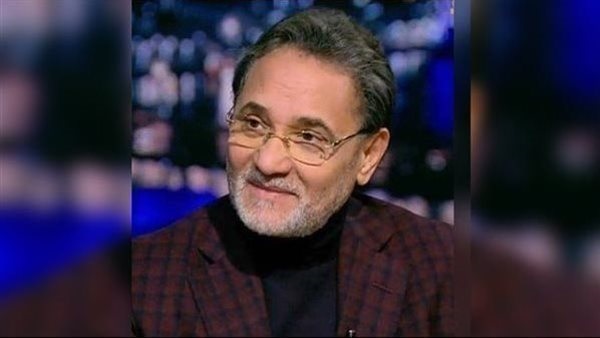
The concept of time as strategic pressure stands at the center of a new geopolitical interpretation presented by Abdel Rahim Ali, who argued that Donald Trump is not waiting for negotiations with Iran to succeed, but rather for a political moment to mature—one that could trigger internal upheaval within the country.
Speaking during the launch of his new program Shadow Maps, Ali said the US approach to Iran reflects a deliberate transformation of time from a passive variable into an active strategic tool designed to influence internal cohesion in Tehran.
Transforming Time into a Geopolitical Lever
Ali explained that the idea of time as strategic pressure reshapes how Washington manages its confrontation with Iran. Instead of relying solely on direct military escalation or immediate diplomatic breakthroughs, the strategy hinges on allowing internal conditions within Iran to evolve under sustained pressure.
According to Ali, extending the truce is not a pause in action but a calculated move that leverages time to deepen internal contradictions and create conditions for potential instability.
“Shadow Maps”: A Platform for Strategic Analysis
The remarks were delivered during the debut of Shadow Maps, a new analytical program hosted by Ali and broadcast on his official YouTube channel. The program aims to unpack complex political and social issues while presenting insights that go beyond conventional media narratives.
Ali described the initiative as an effort to provide audiences with deeper, evidence-based analysis that respects viewers’ intelligence and prioritizes credibility. The program is designed to explore both present developments and future scenarios, relying on a broad network of information sources.
Editorial Vision and Media Responsibility
The editorial philosophy behind Shadow Maps reflects a commitment to restoring what Ali described as a more responsible and enlightening role for media in the digital age.
At its core, the program seeks to deliver journalism that aligns professional integrity with public interest. Ali emphasized that the ultimate goal is to serve national priorities, support citizens’ interests, and reveal overlooked dimensions of political developments often absent from traditional news coverage.
Expanding Reach Through Digital Platforms
Ali highlighted the role of modern communication tools in expanding the reach of Shadow Maps. By leveraging digital platforms, the program aims to engage a broader audience beyond traditional television boundaries.
This approach enables the delivery of in-depth geopolitical analysis in a format that is both accessible and widely distributed, reinforcing the program’s mission to bridge the gap between expert insight and public understanding.
A Broader Analytical Framework
Within this framework, time as strategic pressure becomes more than a theoretical concept—it serves as a practical lens for interpreting US-Iran relations. Ali suggested that Washington’s strategy relies on allowing internal Iranian dynamics to unfold under sustained external pressure, rather than forcing immediate outcomes.
This perspective aligns with a broader shift in geopolitical strategy, where timing, patience, and indirect influence play increasingly significant roles in shaping international outcomes.
Reclaiming the Role of Thoughtful Media
Ali positioned Shadow Maps as a serious attempt to revive thoughtful, analytical media in an era dominated by fast-paced social platforms. The program seeks to combine forward-looking analysis with a grounded understanding of current realities.
By doing so, it aims to foster a more informed public discourse—one that balances national interests with a clear-eyed reading of regional and global challenges.
Strategic Timing Over Immediate Action
The analysis presented by Abdel Rahim Ali underscores how time as strategic pressure has become a defining feature of contemporary geopolitical strategy. In the case of US-Iran relations, this approach reflects a calculated reliance on patience and internal dynamics rather than immediate confrontation.
Through Shadow Maps, Ali offers a framework that invites audiences to reconsider how power is exercised—not only through force, but through timing, pressure, and the gradual reshaping of political realities.