


Abdel Rahim Ali Warns of Arab Division Amid Middle East Tensions
Monday 04/May/2026 - 09:46 PM
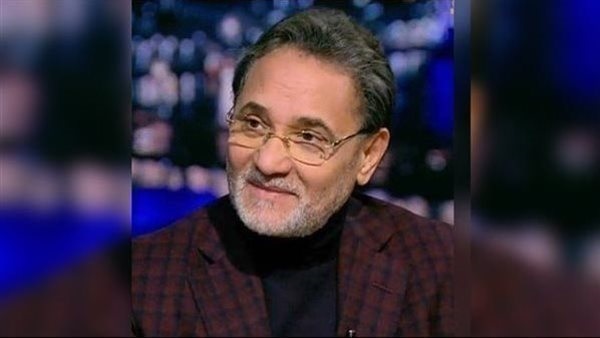
Ahmed Seif El-din
Abdel Rahim Ali said the current Arab position reflects deep fragmentation and strategic confusion, warning that such disunity risks marginalizing Arab influence in shaping the future of the Middle East. In his latest analytical episode of Shadow Maps, Ali argued that the region is entering a decisive phase marked by shifting power balances and competing geopolitical agendas.
Ali described the Arab position as “divided and disoriented,” noting that most regional actors are either preoccupied with internal crises or acting as passive observers. He argued that Gulf states seek to weaken Iran but fear the consequences of its collapse, while countries like Iraq, Lebanon, and Syria have become arenas rather than decision-makers.
He added that the absence of a unified Arab position undermines the ability to respond effectively to ongoing Middle East tensions and limits the region’s capacity to influence outcomes.
According to Ali, this fragmentation creates a strategic vacuum that external powers can exploit. He pointed to the evolving dynamics of US-Iran relations and Israeli expansionist ambitions as key factors shaping regional security.
Ali suggested that geopolitical analysis increasingly indicates a shift toward externally imposed solutions, especially in the absence of coordinated Arab political strategy.
The Middle East has experienced prolonged instability due to conflicts involving Iran, Israel, and global powers. Regional divisions have historically weakened collective responses to crises, particularly regarding the Palestinian issue and broader regional security frameworks.
Ali warned that if the current Arab position persists, the region risks having new geopolitical maps drawn without Arab participation. He stressed that restoring strategic coherence is essential to safeguarding national security and preventing long-term marginalization.
