UN Peacekeepers in Lebanon Could Stay Beyond 2026 Under New Proposal
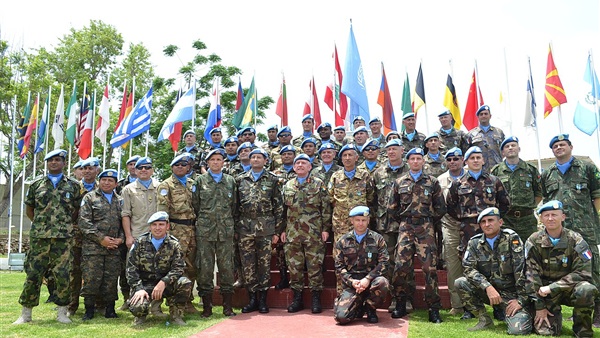
Lebanese Prime Minister Nawaf Salam says France is preparing a resolution that could allow UNIFIL to continue key security and humanitarian operations after its mandate expires on December 31.
UN peacekeepers in Lebanon could continue operating beyond the expiration of their nearly 50-year mandate under a new proposal being prepared for consideration by the United Nations Security Council, Lebanese Prime Minister Nawaf Salam has revealed.
In an exclusive interview with the Associated Press on November 27, 2026, Salam said the proposal would allow the United Nations Interim Force in Lebanon (UNIFIL) to maintain some of its responsibilities while international negotiations determine the future security framework for southern Lebanon.
France is reportedly preparing a resolution that would permit UNIFIL to continue mine clearance, humanitarian convoy escorts and the monitoring of violations during a transitional withdrawal period.
According to Salam, US officials have indicated that Washington could be open to considering such an arrangement.
The prime minister acknowledged that the proposal would not permanently resolve the question of UNIFIL’s replacement but would provide additional time to negotiate a new security structure.
Uncertainty Surrounds the Future of UNIFIL
The UN Security Council voted in 2025 to terminate UNIFIL’s mandate at the end of 2026 following pressure from the United States and Israel, which argued that the peacekeeping mission had failed to prevent Hezbollah’s military buildup in southern Lebanon.
UNIFIL officials have maintained that disarming Hezbollah was never part of their mandate. They argue that the mission helped preserve relative stability along the Lebanese-Israeli border for 17 years before the Hamas-led attacks on southern Israel in October 2023 triggered a wider regional conflict.
Approximately 7,500 UN peacekeepers in Lebanon are expected to withdraw gradually over six months following the expiration of their mandate. The mission has one year to conclude its operations entirely.
However, no definitive agreement has been reached on what will replace the international peacekeeping presence.
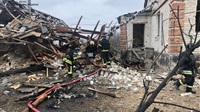
Much of southern Lebanon remains occupied by Israeli forces following the outbreak of renewed hostilities between Israel and Hezbollah in March 2026, linked to the wider Iran war.
Hezbollah continues to refuse to surrender its weapons, while Israel insists that its forces will not withdraw until the group is disarmed.
France Explores Options to Prevent a Security Vacuum
France has not publicly commented on the proposal described by Salam.
However, a Western diplomat familiar with the discussions told the Associated Press that one option under consideration involves slowing UNIFIL’s withdrawal and maintaining selected peacekeeping responsibilities to prevent a security vacuum.
Lebanese authorities have advocated either extending UNIFIL’s mandate or establishing a replacement international force operating under United Nations authority.
US officials have expressed willingness to consider maintaining an international presence in southern Lebanon, although not necessarily in its existing military format. Alternatives reportedly include a civilian mission or a private defense contractor.
Salam insisted that any replacement for UN peacekeepers in Lebanon must receive formal authorization from the UN Security Council, regardless of its structure or operational responsibilities.
Regional Instability Complicates Lebanon-Israel Negotiations
The Lebanese prime minister acknowledged that continuing political and military uncertainty across the Middle East makes long-term security planning particularly difficult.
Israel is still working to form a new government following elections held in October, while uncertainty persists over whether the US-Iran war will escalate again or move towards a negotiated settlement.
Although Beirut maintains that its negotiations with Israel are separate from any potential agreement between Washington and Tehran, Salam acknowledged that US-Iran relations directly influence developments in Lebanon.
“Lebanon is not an isolated island in the Mediterranean,” Salam said, emphasizing the country’s exposure to wider regional instability.
Lebanon and Israel reached an agreement in June under which Israeli forces were expected to withdraw gradually, transferring territorial control to the Lebanese army, while Hezbollah was to be disarmed.
However, implementation of the agreement has stalled, alongside formal negotiations between the two countries.
Salam rejected suggestions that the negotiations had collapsed, explaining that formal discussions had been suspended because of Israel’s elections and uncertainty surrounding its next government.
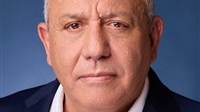
He added that it remained unclear whether an Israeli administration led by opposition politician Gadi Eisenkot would adopt a different approach towards Lebanon from that of Prime Minister Benjamin Netanyahu.
Lebanon Rejects Iranian Influence Over Its Political Future
Salam said his government maintains open communication channels with both Hezbollah and Iran but remains determined to prevent Tehran from dictating Lebanon’s political and security future.
According to the prime minister, Hezbollah has become increasingly dependent on Iran following significant setbacks during two recent wars with Israel.
He said the organization continues to receive military and financial assistance from Tehran despite Lebanese efforts to restrict the movement of weapons and funds into the country.
The overthrow of former Syrian President Bashar Assad two years ago disrupted established Iranian arms supply routes through Syria into Lebanon. However, according to Salam, those transfers have slowed rather than stopped completely.
Hezbollah Disarmament Remains a Major Security Challenge
The Lebanese government continues to face a difficult balance between restoring state authority and avoiding an internal armed confrontation.
Hezbollah has threatened to resist any attempt to forcibly disarm the organization, while the Lebanese army has proceeded cautiously.
Salam stressed that his administration does not seek a confrontation with Hezbollah but will not yield to intimidation by the group.
The future of UN peacekeepers in Lebanon therefore remains closely connected to Israeli withdrawal, Hezbollah’s disarmament and the Lebanese government’s ability to establish effective security control over its southern territory.
While the proposed French resolution could provide additional time for diplomatic negotiations, it would represent a transitional arrangement rather than a permanent solution to Lebanon’s security challenges.