Pakistan and Turkey Back Saudi Arabia Against Houthi Attacks Under Defense Pact
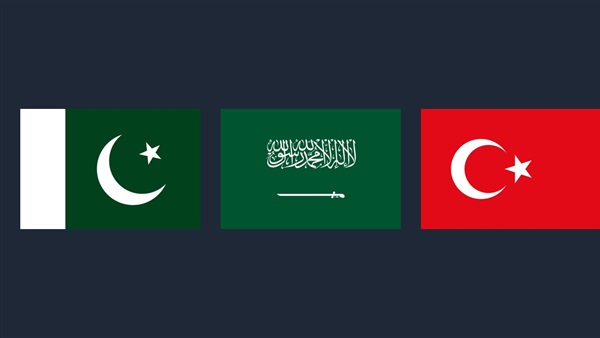
Pakistan, Turkey and Saudi Arabia reaffirm their collective defense commitments while calling for diplomatic efforts to end the Iran war and restore regional stability.
Pakistan and Turkey have pledged to support Saudi Arabia against ongoing Houthi attacks under a trilateral defense pact that considers an attack against one member an attack against all three. The commitment was reaffirmed during high-level talks in Islamabad on Friday, November 27, 2026, amid escalating security concerns across the Middle East.
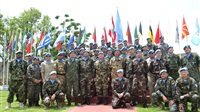
Senior defense, diplomatic and military officials held more than two hours of discussions, addressing regional developments, collective security commitments and diplomatic efforts to prevent further escalation.
Trilateral Defense Pact Reaffirms Support for Saudi Arabia
Pakistan’s Foreign Minister Ishaq Dar said representatives of the three countries agreed to continue supporting diplomatic initiatives aimed at reducing regional tensions and resolving disputes peacefully.
The delegations condemned attacks by Iran-backed Houthi rebels in Yemen targeting civilians and civilian infrastructure in Saudi Arabia.
Dar confirmed that Pakistan and Turkey had reaffirmed their commitment to protecting the kingdom’s security, sovereignty and territorial integrity under the trilateral defense pact.
The meeting of the Strategic, Political and Defense Committee took place under the Joint Mecca Defense Agreement, signed on August 7 by Pakistani Prime Minister Shehbaz Sharif, Saudi Crown Prince Mohammed bin Salman and Turkish President Recep Tayyip Erdogan.
Pakistan and Turkey Stress Defensive Nature of Agreement
Turkish officials have indicated that Ankara is considering providing military assistance to Saudi Arabia. However, they maintain that the agreement is strictly defensive and does not involve deploying Turkish troops to fight in Yemen or launch attacks against the Houthis.
Pakistan has similarly emphasised that the trilateral defense pact is not directed against any particular country, including Iran. Islamabad describes the agreement as reflecting a shared commitment to strengthening strategic security cooperation.
Meanwhile, Erdogan formally approved the agreement, completing Turkey’s ratification process, according to an announcement published in the country's Official Gazette on Friday.
Earlier in November, Turkey’s 600-seat parliament approved the agreement by 279 votes to 119.
Opposition lawmakers had warned that the pact could draw Turkey into regional conflicts and expose Turkish military personnel to unnecessary risks.
Diplomatic Efforts to End the Iran War
Despite reaffirming their collective defense commitments, the three countries continue to advocate a diplomatic resolution to the US-Israeli war with Iran.
Turkish officials said Foreign Minister Hakan Fidan, Defense Minister Yasar Guler and military chief Gen. Selcuk Bayraktaroglu were scheduled to participate in the Islamabad discussions.
Fidan was expected to reaffirm Turkey’s full solidarity with Riyadh and condemn Houthi attacks against civilians and civilian infrastructure that threaten regional security.
According to a Turkish official speaking anonymously about the meeting’s agenda, Fidan was also expected to emphasise the importance of resolving the Iran war through diplomacy and ensuring safe maritime navigation through the Bab el-Mandeb Strait off Yemen.
Pakistan has been working alongside several Middle Eastern countries, including Qatar, to encourage Washington and Tehran to resume negotiations.
Islamabad previously brokered an interim agreement between the United States and Iran in June, highlighting Pakistan’s continuing diplomatic role in efforts to resolve the conflict.
Senior Military and Diplomatic Officials Attend Islamabad Talks
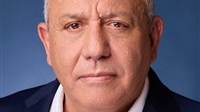
Pakistan’s delegation included Defense Minister Khawaja Muhammad Asif, Foreign Minister Ishaq Dar and army chief Field Marshal Asim Munir.
Saudi Arabia was represented by Defense Minister Khalid bin Salman, Foreign Minister Prince Faisal bin Farhan and the kingdom’s army chief.
Asif has previously stated that Pakistan would use “whatever means are available” to defend Saudi Arabia against Houthi attacks.
Pakistani authorities implemented extensive security measures throughout Islamabad ahead of the meeting. A local holiday was declared to restrict public movement, while traffic police introduced road diversions to accommodate foreign delegations.
Pakistani, Turkish and Saudi flags lined the routes used by visiting officials.
Joint Mecca Defense Agreement Establishes Long-Term Security Cooperation
At an earlier meeting in Riyadh, the three countries pledged to begin implementing their collective defense commitments immediately, including arrangements for providing agreed military assistance to Saudi Arabia.
Under the Joint Mecca Defense Agreement, a permanent secretariat has been established in Saudi Arabia, with retired Pakistani Gen. Nauman Mahmood appointed as its first secretary-general.
The agreement binds Pakistan, Turkey and Saudi Arabia for 10 years, after which participating countries must provide three months’ notice if they wish to withdraw.
The trilateral defense pact represents a significant development in regional security cooperation, bringing together three influential Muslim-majority countries amid continuing instability in the Middle East.
However, while the agreement establishes a framework for collective defense, the precise extent of military assistance remains uncertain. All three governments continue to emphasise diplomacy and de-escalation alongside their commitments to Saudi Arabia’s security.